Let’s be real for a second. We’ve all been there: emerging from a marathon gaming session feeling like we just went ten rounds with a heavyweight champ. That nagging ache in your lower back, the stiffness in your neck… it’s the unofficial debuff of the dedicated gamer. You might have the best rig, the fastest internet, and god-tier skills, but if your throne is a glorified kitchen chair, you’re nerfing your own performance and health. So, the big question is, What Makes A Chair Ergonomic and not just another piece of furniture? It’s more than just a cool racecar design and flashy colors; it’s a science dedicated to supporting you through every clutch play and epic raid.
Beyond the Racecar Look: The Evolution of Gaming Chairs
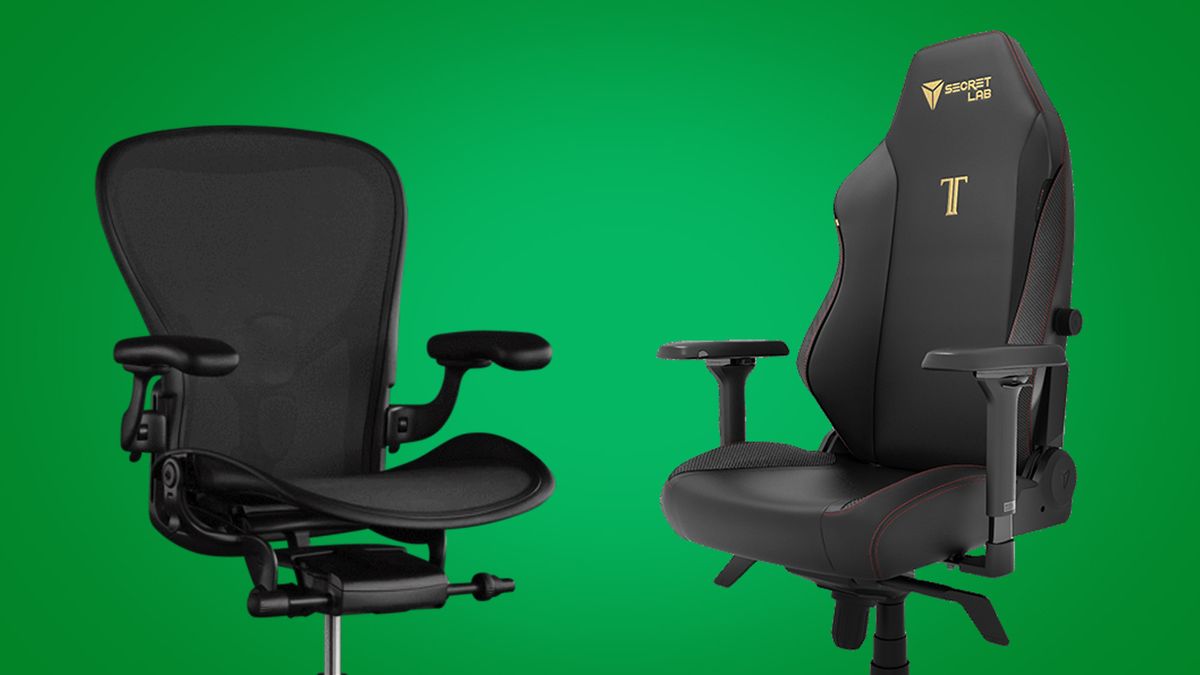
Gaming chairs didn’t just pop into existence. They evolved. Initially, gamers made do with standard office chairs. Then came the first wave of “gaming chairs,” heavily inspired by the bucket seats in race cars. They looked awesome, but many were more about aesthetics than actual support. The community quickly learned that looking cool doesn’t prevent back pain.
Today, the industry has matured. Top-tier brands now understand that a pro gamer, or even a dedicated enthusiast, spends more time in their chair than many office workers. This shift has pushed a focus towards true ergonomics—designing chairs that work with the human body, not against it. The goal is no longer just to look the part, but to enhance performance, endurance, and long-term health.
Why You Absolutely Need an Ergonomic Gaming Throne
Still on the fence? Think of an ergonomic chair not as a luxury, but as a crucial piece of your gaming gear, just like your mouse or keyboard. Sitting for prolonged periods in a poorly designed chair puts immense pressure on your spine, compresses discs, and encourages slouching. This leads to chronic pain, fatigue, and can even tank your in-game focus.
An ergonomic chair is an investment in your well-being. By providing proper support, it allows you to maintain focus for longer, react faster, and finish your session feeling refreshed, not wrecked. It’s about playing smarter, not just harder.
The Core Components: What Makes a Chair Ergonomic Under the Hood?
So, what are the specific features that separate a true ergonomic champion from a pretender? Let’s break down the anatomy of a great gaming chair.
The Art of Adjustability: The Secret Sauce of Ergonomics
If there’s one word to remember, it’s adjustability. Your body is unique, and a one-size-fits-all approach just doesn’t cut it. An ergonomic chair must adapt to you, not the other way around. Here are the non-negotiables:
- Seat Height: Your feet should be flat on the floor with your knees at a 90-degree angle. This is fundamental for stable posture and good blood circulation.
- Backrest Recline: A good chair should allow you to recline significantly, often up to 180 degrees. More importantly, it needs a multi-tilt lock mechanism, so you can find that perfect angle for intense focus or leaning back to watch a cutscene and lock it in place.
- The Legendary 4D Armrests: This is a game-changer. While 1D (up/down) is basic, 4D armrests allow you to adjust them up/down, forward/backward, side-to-side, and rotate them in/out. This ensures your arms are fully supported from your elbows to your wrists, reducing shoulder and neck strain.
Lumbar Support: Your Spine’s Best Friend
Your lower back (the lumbar region) has a natural inward curve. A flat-backed chair forces it to straighten, causing strain. This is where lumbar support comes in. Most gaming chairs offer a detachable pillow, which is a good start. However, the best ergonomic chairs feature an integrated, adjustable lumbar support system. This allows you to dial in the exact position and firmness to perfectly match your spine’s curve.
Bảng trống.Head and Neck Support: Banishing ‘Gamer Neck’
Staring at a monitor for hours can lead to “gamer neck”—that forward head posture that strains your neck and upper back. A high backrest combined with a well-placed neck pillow is crucial. It supports the natural curve of your neck (the cervical spine), encouraging you to keep your head aligned properly over your shoulders.
“People often think ergonomics is about finding one ‘perfect’ chair. In reality, it’s about finding a chair with a wide range of adjustability that allows you to create your own ‘perfect’ posture. The chair should fit the person, not the other way around.”
— Dr. Alistair Finch, Ergonomics Specialist
Materials and Build Quality Matter
A chair’s ergonomic features are useless if it’s built on a flimsy foundation.
- Frame: Look for a full-steel frame. It provides the rigidity and durability needed to last for years. Avoid chairs with wood or plastic frames, which can warp and break.
- Foam: The padding is critical for comfort and support. The gold standard is high-density cold-cure foam. Unlike cheaper, cut foam that sags over time, cold-cure foam is molded, providing consistent support and retaining its shape for much longer.
- Upholstery: This often comes down to personal preference, but each has its ergonomic implications.
- PU Leather: Easy to clean and has a premium look. However, it can be less breathable, which might be an issue during long, intense summer gaming sessions.
- Fabric/SoftWeave: Highly breathable and soft to the touch, preventing heat and sweat buildup. It can be more susceptible to stains, though.
How to Choose the Right Ergonomic Chair for YOU
Okay, you’re sold on the concept. But how do you pick the right one from a sea of options? Here’s a step-by-step guide.
- Check the Specs for Your Body Type: This is the most important step. Chairs are designed for specific height and weight ranges. A chair built for someone 5’5″ won’t provide proper support for someone 6’3″. Always check the manufacturer’s recommendations.
- Analyze Your Usage: Are you a 12-hour-a-day streamer or a weekend warrior? The more time you spend in the chair, the more you should prioritize premium features like integrated lumbar support and cold-cure foam.
- Set a Realistic Budget: A good ergonomic gaming chair is an investment. While you don’t need to buy the most expensive model, be wary of chairs under $150. They often cut corners on the frame, foam, and adjustment mechanisms—the very things that make a chair ergonomic.
- Read In-Depth Reviews: Look for reviews from trusted sources (like us here at [Gaming Chair Hub VN]!) that go beyond surface-level looks and talk about long-term comfort and build quality.
Frequently Asked Questions (FAQ)
What is the most important ergonomic feature in a gaming chair?
Adjustability is key, but if you had to pick one, lumbar support is arguably the most critical. Proper support for your lower back is the foundation of a healthy sitting posture and prevents the most common aches and pains associated with long gaming sessions.
Can an ergonomic chair actually fix my bad posture?
An ergonomic chair can’t magically “fix” bad posture, but it’s a powerful tool that promotes good posture. By providing the right support and making it comfortable to sit correctly, it helps you build the muscle memory for a healthier alignment. The rest is up to you to be mindful of how you sit.
Are expensive gaming chairs really worth it?
Often, yes. The price increase typically reflects better build quality (steel frame, high-density foam), more advanced ergonomic features (4D armrests, integrated lumbar systems), a longer warranty, and more durable materials. It’s an investment in a product that will support your health and last for many years.
What’s the difference between a gaming chair and an ergonomic office chair?
The lines are blurring, but traditionally, gaming chairs offer a high-back “bucket seat” design with more pronounced side bolsters and a deeper recline. Ergonomic office chairs often have a mesh back and may offer more subtle, micro-adjustments. A good ergonomic gaming chair today combines the best of both worlds: the supportive, immersive design of a gaming seat with the advanced adjustability of a high-end office chair.
How do I know if my chair is set up correctly?
A quick checklist: Your feet are flat on the floor, your knees are at a 90-degree angle, your lumbar support fits the curve of your lower back, your armrests are level with your desk so your shoulders are relaxed, and your eyes are level with the top third of your monitor.
The Final Verdict
Understanding what makes a chair ergonomic is the first, most crucial step towards upgrading your gaming setup and, more importantly, protecting your long-term health. It’s not about brand names or flashy aesthetics. It’s about a core philosophy of design: adjustability, support, and quality materials. By investing in a chair that fits your body and your habits, you’re not just buying a piece of furniture—you’re unlocking longer, more comfortable, and more focused gaming sessions. Now go out there and claim your throne.