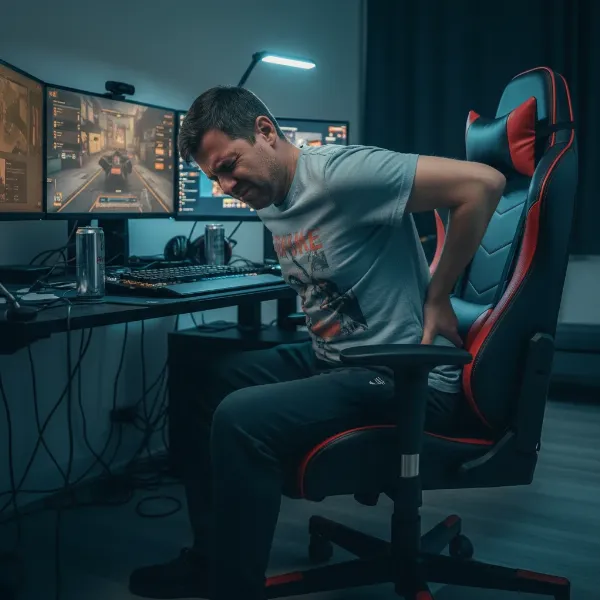
A white gaming chair epitomizes sleek sophistication, instantly elevating any setup. Yet, the pristine allure of white comes with a formidable adversary: the dreaded blue hue of denim dye transfer. That moment you notice an unwelcome blue smudge on your immaculate chair can be disheartening, turning your stylish seat into a source of frustration. But fear not; understanding how to effectively combat these stubborn denim stains is key to preserving your chair’s brilliance. This comprehensive guide will equip you with the practical knowledge and proven techniques to tackle denim dye transfer, restore your white gaming chair to its original glory, and keep it looking showroom-fresh for years to come.
Understanding Denim Dye Transfer on White Gaming Chairs
Denim dye transfer is a common and vexing issue, especially for lighter-colored upholstery like a white gaming chair. This phenomenon occurs when unfixed indigo dyes from your jeans, or other dark clothing, rub off onto the chair’s surface. Friction, body heat, and moisture all contribute to this color migration, embedding the blue pigment into your chair’s material. White and light-colored chairs are particularly susceptible because the contrast makes even faint blue marks highly visible, transforming a minor aesthetic imperfection into a glaring problem. The longer these dye stains are left unattended, the more they can penetrate the chair’s topcoat or fabric fibers, making removal progressively more challenging. Prompt action is therefore paramount to ensuring a successful clean and preventing permanent discoloration.
Essential Tools and Supplies for Stain Removal
Before you embark on your cleaning mission, gathering the right arsenal of tools and supplies is crucial. Having everything at hand ensures a smooth and effective stain removal process.
- Microfiber Cloths: Opt for several clean, white microfiber cloths to avoid transferring additional color or lint.
- Spray Bottles: Useful for mixing and applying cleaning solutions evenly.
- Mild Dish Soap: A gentle, pH-neutral dish soap is often the first line of defense.
- White Vinegar: An effective, natural cleaning agent for many types of stains.
- Rubbing Alcohol (Isopropyl Alcohol): A powerful solvent for tougher dye stains, but requires caution.
- Distilled Water: To mix solutions and rinse, minimizing mineral deposits.
- Soft Bristle Brush: Essential for gently working cleaners into fabric chairs.
- Specialized Leather Cleaner: Products designed specifically for leather or PU leather (e.g., Geist. Rapid Leather Cleaner PRO) can safely clean without damage.
- Specialized Dye Remover/Solvent: For stubborn stains on leather that have penetrated the surface (e.g., Geist. Dissolve, COLOURLOCK GLD Solvent).
- Leather Conditioner/Protector: To rehydrate and protect leather surfaces after cleaning (e.g., Geist. Dye & Friction Blocker).
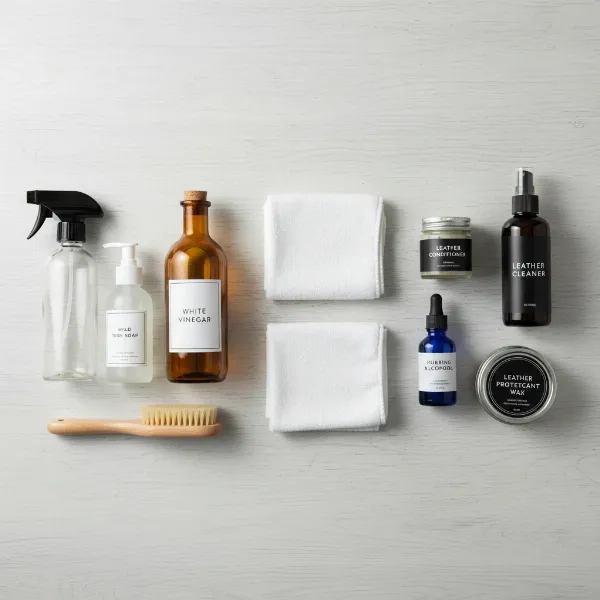 A flat lay of various cleaning supplies like microfiber cloths, spray bottles, dish soap, white vinegar, and specialized leather cleaners, ready for cleaning a white gaming chair from denim stains.
Step-by-Step Guide: Cleaning Denim Stains from Leather & PU Leather Gaming Chairs
Cleaning leather or PU leather requires a careful, layered approach, starting with the gentlest methods and escalating as needed.
Pre-Cleaning Preparation: The Golden Rules
|
Our Picks for the Best Gaming Chair in 2026
As an Amazon Associate I earn from qualifying purchases.
|
||
| Num | Product | Action |
|---|---|---|
| 1 | Gaming Chair, 400 lbs Adult Chair, High Back Computer Chair with Footrest and Linked Armrests, Office Video Game Chair with Lumbar Support (Grey) |

|
| 2 | GTPLAYER Gaming Chair,Office Chair with Pocket Spring Lumbar Support, Ergonomic Comfortable Wide Office Desk Computer Chair with Outward Fixed Soft Armrests and Footrest (PU Leather, Black) |
|
| 3 | BestOffice Gaming Chair Office Chair Ergonomic Desk Chair Racing Style Gaming Chair with Lumbar Support, Swivel Rolling Base, and Comfortable Padded Seat for Women and Men |
|
| 4 | BestOffice High-Back Gaming Chair PC Office Chair Computer Racing Chair PU Desk Task Chair Ergonomic Executive Swivel Rolling Chair with Lumbar Support for Back Pain Women, Men,White |
|
| 5 | Breathable Fabric Gaming Chair with Footrest, Height Adjustable Game Chair, Video Gaming Chair for Gaming Room, Living Room and Office - Blue/Light Grey |
|
| 6 | TRALT Office Chair Ergonomic Desk Chair, 330 LBS Home Mesh Office Desk Chairs with Wheels, Comfortable Gaming Chair, High Back Office Chair for Long Hours (White) |
|
| 7 | Sweetcrispy Computer Gaming Desk Chair - Ergonomic PU Leather with Comfy Lumbar Support, Height Adjustable Rolling Desk with Flip-up Armrests, for Home and Office |
|
| 8 | Gaming Chair with Linkage Armrest & Footrest, High Back Video Gaming Chair, Black/White |
|
| 9 | Razer Iskur V2 X Ergonomic Gaming Chair: Built-in Lumbar Support - Widened Seat Base - High Density Foam Cushions - Adjustable 152 Degree Recline - 2D Armrests - Plush Fabric Finish - Black |
|
| 10 | Ergonomic Office Chair with Footrest - Adjustable Lumbar Support & Headrest, 90-160° Reclining Mesh Back Computer Chair - Home Office/Gaming, 350lbs Capacity (SGS Certified) |
|
Before applying any cleaning solution, always identify your chair’s specific material. While many gaming chairs feature PU leather, some might be genuine leather, which has different care requirements. The golden rule for any cleaning endeavor, especially on light-colored surfaces, is to always test your chosen cleaning product in an inconspicuous area first. This could be the underside of the seat, the back of a hidden flap, or any area not easily visible, ensuring no adverse reactions like discoloration or damage occur. Once a successful test is complete, gather all your supplies to prevent interruptions during the cleaning process.
Mild Stain Removal: Your First Line of Defense
For fresh or lighter denim stains, a gentle approach can often yield excellent results without harsh chemicals.
-
Dish Soap & Warm Water Solution: Mix a few drops of mild, pH-neutral dish soap with a cup of warm distilled water in a spray bottle. Lightly dampen a clean white microfiber cloth with the solution. Gently blot the stained area, working from the outside in to prevent spreading the stain. Avoid rubbing vigorously, which can push the dye deeper into the material or damage the surface. Continuously rotate your cloth to a clean section. Once the stain appears to lift, use a separate, clean cloth dampened with plain distilled water to wipe away any soap residue. Pat dry with a fresh, dry cloth.
-
White Vinegar & Water Solution: If dish soap alone isn’t enough, create a solution of equal parts white vinegar and distilled water. Apply this mixture to a clean white cloth and blot the stain using the same gentle technique. The mild acidity of vinegar can help break down the dye. After blotting, always follow up with a clean, damp cloth to rinse the area and a dry cloth to pat it dry.
Tackling Stubborn Stains with Advanced Solutions
When mild solutions don’t fully remove the stain, it’s time to consider more potent, yet still cautious, methods.
-
Rubbing Alcohol (Isopropyl): For more persistent denim stains, rubbing alcohol can be quite effective due to its solvent properties. Dampen a clean, white microfiber cloth with rubbing alcohol. Crucially, dab, don’t rub, the stained area. Again, test in an inconspicuous spot first, as alcohol can strip some protective coatings or even dry out certain leather types. Limit exposure time and immediately follow with a wipe down using a clean, damp cloth to remove any residue, then pat dry. [cite: 3 (from first search)]
-
Specialized Leather Dye Removers: If the dye has deeply penetrated the clear coat or paint layer of your leather or PU leather chair, specialized products like Geist. Dissolve or COLOURLOCK GLD Solvent may be necessary. These solvent-based cleaners are formulated to gently dissolve the clear coat and extract the embedded dye. Apply the product sparingly to a lightly damp white cloth and carefully wipe the stained areas in small sections. The key is to wipe gently and repeat the process multiple times, ensuring the surface remains moist to avoid damaging the material. Avoid rubbing vigorously, especially if the surface feels tacky, as this can cause the color layer to peel off. [cite: 1, 2 (from second search)] If, after cleaning, some color or paint is removed or staining is still visible, products like Geist. Easy Colour Restorer can be used to touch up and recolor the affected area.
“For deep dye transfer on leather, starting with a mild cleaner is always best. But if the dye has truly penetrated the topcoat, a specialized solvent-based remover, used precisely and with extreme care, is often the only way to genuinely extract the stain without damaging the chair’s integrity.” – Dr. Elena Petrova, Lead Leather Chemist
Post-Cleaning Care
After successfully removing the stain, ensure the area is completely dry. For leather and PU leather, it’s highly recommended to apply a high-quality leather conditioner or protector. This step replenishes any lost moisture, restores the material’s suppleness, and adds a protective barrier against future stains and wear.
Cleaning Denim Stains from Fabric Gaming Chairs
Fabric gaming chairs offer a different set of challenges and solutions compared to their leather counterparts. The key is to work the cleaner into the fibers and ensure thorough drying.
Initial Steps for Fabric Stains
Begin by thoroughly vacuuming the stained area to remove any loose dirt or debris that could hinder the cleaning process. For fresh stains, gently blot any excess dye immediately with a dry, clean cloth to absorb as much of the loose pigment as possible.
DIY Fabric Cleaners
Many denim stains on fabric chairs can be addressed with common household items.
-
Laundry Detergent Method: Create a sudsy solution by mixing a small amount of generic laundry detergent with water. Dampen a scouring pad or a stiff scrubbing brush with this solution. Gently scrub the stained area in small, circular motions to work the detergent into the fabric fibers. Once the stain appears to lift, use a separate, clean towel dampened with plain water to wipe away the detergent residue. Repeat this process until the stain is gone and no soap remains. [cite: 2 (from first browse output)]
-
Baking Soda & Vinegar Paste: For tougher fabric stains, a paste made from baking soda and a little water can be effective. Apply the paste directly to the stain and let it sit for about 5 to 10 minutes. Then, lightly spray the area with white vinegar; you’ll observe a fizzing reaction as the two combine, which helps lift the stain. Gently scrub the area with a soft brush, then rinse with a clean, damp cloth.
Specialized Fabric Upholstery Cleaners
For optimal results or particularly stubborn stains, consider investing in a dedicated fabric upholstery cleaner. Always read and follow the product’s instructions carefully, and as always, test it on an inconspicuous area first. These cleaners are formulated to be safe and effective on various fabric types, often providing a deeper clean without over-wetting.
Drying Fabric Chairs
Proper drying is critical for fabric chairs to prevent mildew, odors, and potential damage to internal components. After cleaning, blot as much moisture as possible with dry towels. Allow the chair to air dry completely in a well-ventilated area, away from direct sunlight or heat, which can cause fading or material distortion. You can expedite drying by using a fan.
Prevention is Key: Keeping Your White Gaming Chair Pristine
The best defense against denim stains is a proactive approach. Prevention can save you significant cleaning effort and prolong the life of your white gaming chair.
- Wash New Jeans Before Wearing: New denim often contains a surplus of unfixed dye that is highly prone to bleeding. Laundering new jeans multiple times before sitting on your white chair can significantly reduce the amount of loose dye that can transfer. [cite: 3 (from first search)]
- Utilize Seat Covers or Throws: A simple, stylish throw blanket or a dedicated seat cover can act as an effective physical barrier between your clothing and the chair’s upholstery. This not only protects against dye transfer but also general wear and tear.
- Regular Wiping: Make it a habit to wipe down your chair regularly with a clean, damp cloth, especially if you’ve been wearing dark clothing. This can remove any superficial dye transfer before it has a chance to set and become a stubborn stain.
- Apply Protective Coatings: For leather and PU leather chairs, consider applying a specialized leather protection cream or a dye and friction blocker, such as Geist. Dye & Friction Blocker. These products create a transparent, protective layer on the surface that makes dye transfer easier to wipe away, rather than allowing it to penetrate deeply. Remember, these coatings don’t stop dye transfer entirely, but they make cleaning up much simpler and quicker. [cite: 4 (from second search), 3 (from first browse output)] Regular reapplication according to the product’s instructions is necessary to maintain effectiveness.
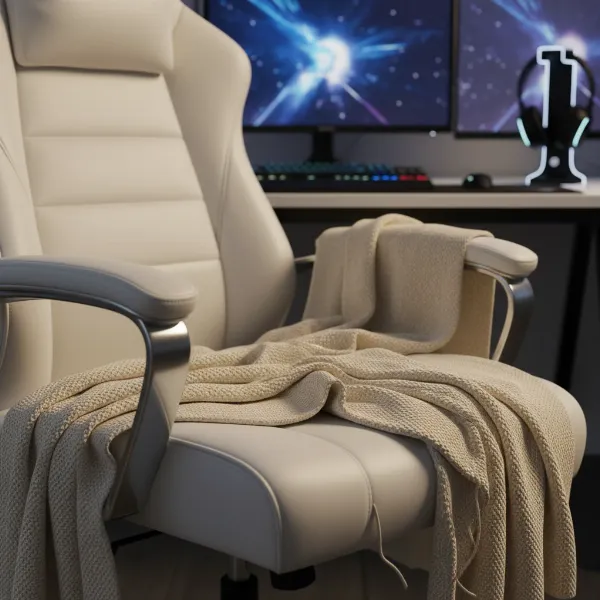 A white gaming chair with a soft, light-colored throw blanket draped over the seat and backrest, subtly suggesting protection and comfort.
Choosing the Right Cleaning Products
Understanding which products are best suited for your chair’s material is crucial for effective and safe cleaning. This table provides a quick reference for common cleaning agents.
| Product Type | Suitable Materials | Pros | Cons |
|---|---|---|---|
| Mild Dish Soap & Water | Leather, PU Leather, Fabric | Safe, gentle, readily available, cost-effective | Less effective on set-in or deep stains |
| White Vinegar Solution | Leather, PU Leather, Fabric | Natural disinfectant, good for light stains, budget-friendly | Can have a strong odor; may require multiple applications |
| Rubbing Alcohol | Leather, PU Leather (caution), Fabric | Effective on many dye transfers, quick evaporation | Can strip protective coatings, potentially dry out leather, requires patch test |
| Laundry Detergent | Fabric Only | Effective on fabric stains, common household item | Not suitable for leather/PU leather, can leave residue if not rinsed thoroughly |
| Baking Soda | Fabric Only | Mild abrasive, odor neutralizer, natural | Can leave residue if not fully rinsed, less effective on deeply set stains |
| Specialized Leather Cleaners | Leather, PU Leather | Formulated for leather, pH-balanced, preserve material integrity | Can be more expensive, specific application instructions |
| Solvent-Based Dye Removers | Leather (advanced use) | Highly effective on deep dye transfer | Aggressive, can damage top coat if misused, best for professional products |
| Leather Protectors | Leather, PU Leather | Prevents dye penetration, easier cleaning, adds longevity | Does not stop dye transfer entirely, requires regular reapplication |
Common Mistakes to Avoid When Cleaning Gaming Chairs
Even with the best intentions, certain cleaning practices can do more harm than good. Be aware of these common pitfalls:
- Rubbing Vigorously: This is perhaps the most common mistake. Aggressive rubbing can spread the stain further, push the dye deeper into the material, or even damage the fabric fibers or leather finish. Always opt for gentle blotting.
- Using Harsh Chemicals: Bleach, ammonia, abrasive cleaners, or general household surface cleaners are often too aggressive for delicate upholstery. They can cause permanent discoloration, chemical burns, or break down the material over time, especially on leather and PU leather.
- Over-Wetting the Chair: Applying too much liquid, particularly to fabric chairs, can lead to mildew growth, unpleasant odors, and damage to the chair’s internal components, including padding and electronics. Dampen, don’t drench.
- Ignoring Care Labels: Your gaming chair’s manufacturer provides specific cleaning instructions, often found on a tag or in the manual. These guidelines are tailored to the chair’s materials and should always be consulted first.
- Skipping the Test Patch: Every material and every stain reacts differently. Failing to test any new cleaning product or method in an inconspicuous area can lead to irreversible damage to a prominent part of your chair.
- Using Magic Erasers carelessly: While sometimes suggested, Magic Erasers (melamine foam) are mildly abrasive. On leather or PU leather, they can strip the protective top coat or even remove color, leading to permanent damage. Use them with extreme caution and only as a last resort on very tough stains, always after a test patch. [cite: 2 (from first search)]
Conclusion
Maintaining the pristine appearance of a white gaming chair, especially against the challenge of denim dye transfer, is entirely achievable with the right knowledge and techniques. By understanding the causes of these stubborn blue stains, employing appropriate cleaning methods for your chair’s specific material, and diligently implementing preventive measures, you can protect your investment and ensure your chair remains a stunning centerpiece of your gaming setup. Remember to act promptly, choose the least aggressive cleaning solution first, and always prioritize testing on an inconspicuous area to safeguard your chair’s longevity and aesthetic appeal. Your white gaming chair is more than just a seat; it’s a statement. Keep it sparkling, game on, and enjoy the clean comfort it provides. What are your go-to tips for keeping your gaming setup pristine?
Frequently Asked Questions
Can I use bleach on my white gaming chair?
No, bleach is generally too harsh for gaming chair materials, especially leather and PU leather. It can cause irreversible damage, discoloration, and weaken the material’s structure, often leading to permanent yellowing or breakdown of the upholstery. Always opt for milder, specialized cleaners or DIY solutions specifically recommended for your chair’s material, after performing a discreet spot test.
How often should I clean my gaming chair?
For general maintenance, a quick wipe-down weekly or bi-weekly is recommended to remove dust and light surface grime. If you frequently wear dark denim, spill, or game for extended periods, it’s wise to address any visible stains immediately. Applying a protective coating for leather chairs can extend the time between deep cleans, but consistent superficial cleaning is always beneficial.
What’s the best way to prevent future denim stains?
The most effective methods include washing new jeans multiple times before wearing them to remove excess dye, using a protective seat cover or a stylish throw blanket, and regularly applying a specialized leather dye and friction blocker for leather and PU leather chairs. Addressing any fresh dye transfer immediately also prevents it from setting into the material.
Are Magic Erasers safe for white gaming chairs?
While Magic Erasers (melamine foam) can be effective on some stains due to their abrasive nature, they pose a risk to the surface of leather or PU leather. They can strip the protective top coat, remove color, or cause permanent dulling and damage. Use them with extreme caution, if at all, and always conduct a thorough test in an inconspicuous area before applying to visible stains.
When should I call a professional for chair cleaning?
If you have attempted various gentle cleaning methods without success, if the stain is extensive, old, or has deeply penetrated the material, or if you are unsure about your chair’s specific material type, it’s best to consult a professional upholstery or leather cleaning specialist. They possess advanced tools, specialized products, and expertise to tackle stubborn stains safely and effectively without damaging your valuable Gaming Chair.